


 English
 Español
 Pусский
 العربية
 Français

Testing and quality assurance are paramount in the production of 12V sealed lead acid (SLA) battery chargers. These chargers are crucial components in various applications, from automotive vehicles to backup power systems, and ensuring their performance and safety compliance is essential to their functionality and reliability. Below PZP Battery Charger will delve deeply into the testing and quality assurance processes involved in ensuring the performance and safety compliance of 12V sealed lead acid battery chargers.
Sealed Lead Acid Battery Chargers Functional Testing
Functional testing is a critical aspect of the quality assurance process for 12V sealed lead acid battery chargers. This testing is designed to verify that the charger operates according to specified charging algorithms and meets the required voltage and current output levels.
Charging Algorithm Verification: Functional tests are conducted to ensure that the charger follows the correct charging algorithm for 12V sealed lead acid batteries. This includes bulk charging, absorption charging, and float charging stages, as well as temperature compensation and voltage regulation. Chargers should accurately detect the battery's state of charge and adjust the charging parameters accordingly to optimize battery performance and longevity.
Voltage and Current Output Levels: Chargers are connected to test loads or battery simulators, and their voltage and current output levels are measured and recorded. These measurements are compared against specified values to ensure that the charger delivers the required charging current and voltage to the battery. Voltage and current regulation circuits are tested to ensure stability and accuracy under varying load conditions.
Charging Time: The charging time required to fully charge a 12V sealed lead acid battery is measured and compared against expected values. Chargers should complete the charging process within a reasonable time frame while avoiding overcharging or undercharging the battery. Charging time is influenced by factors such as battery capacity, charger output current, and charging algorithm efficiency.
Termination Voltage: Chargers are tested to ensure that they terminate the charging process at the correct voltage level to prevent overcharging and battery damage. The termination voltage is typically set according to battery manufacturer specifications and charging standards. Chargers should accurately detect the battery's fully charged state and cease charging to avoid overcharging, which can lead to electrolyte loss and reduced battery life.
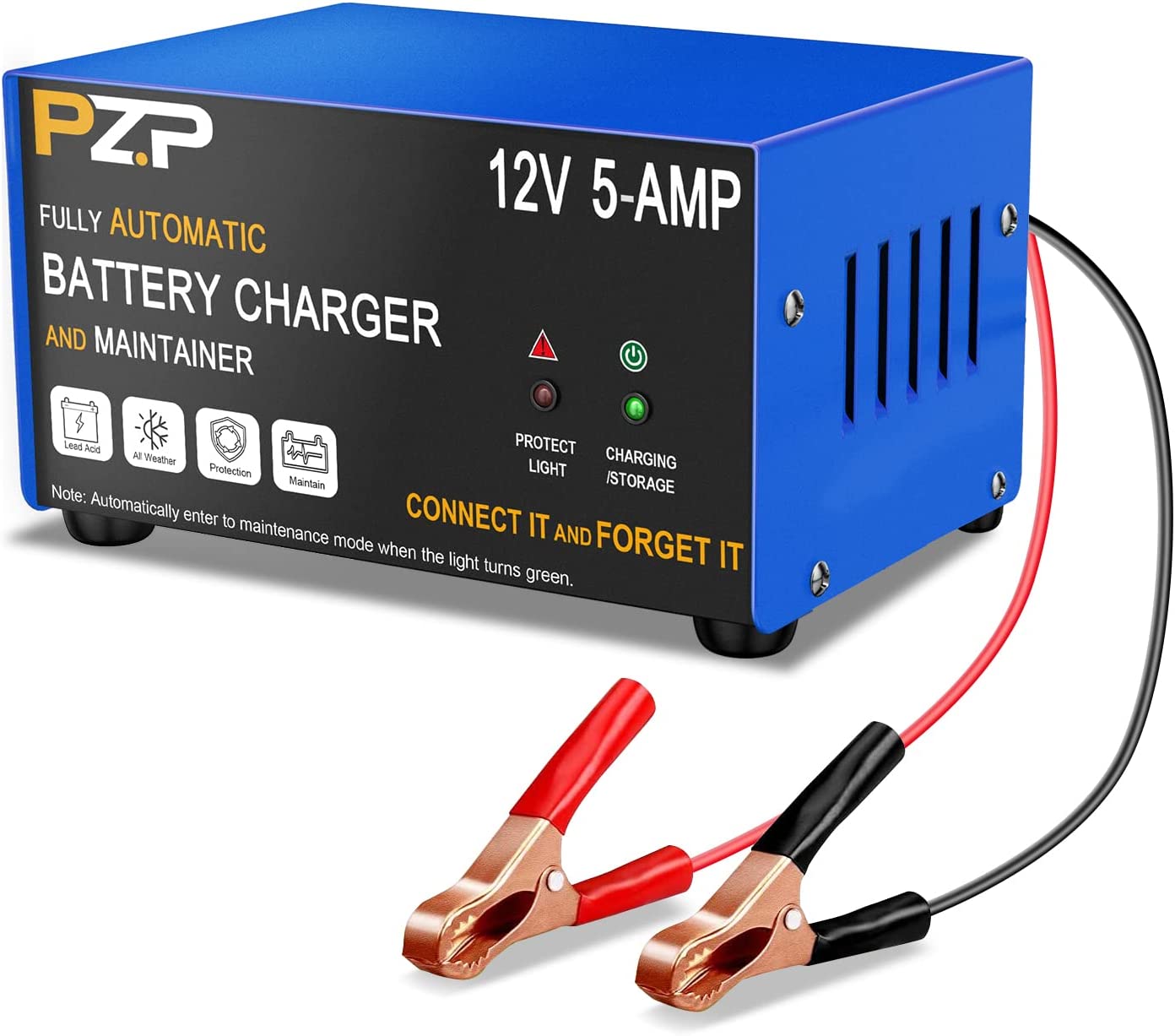
Sealed Lead Acid Battery Chargers Safety Testing
Safety testing is another crucial aspect of the quality assurance process for 12V sealed lead acid battery chargers. These tests are designed to evaluate the charger's compliance with industry standards and regulations for electrical safety.
Insulation Resistance: Insulation resistance tests measure the resistance between different conductive parts of the charger to ensure adequate insulation and protection against electric shock. Chargers should have high insulation resistance values to prevent leakage currents and ensure user safety. Insulation resistance testing is conducted at various voltage levels to verify insulation integrity under normal and fault conditions.
Dielectric Strength: Dielectric strength tests apply high voltage to the charger's components to assess their ability to withstand electrical stress without breakdown. Chargers should withstand the applied voltage without arcing, sparking, or insulation failure. Dielectric strength testing is performed using specialized test equipment and procedures to ensure compliance with safety standards and regulations.
Leakage Current: Leakage current tests measure the current flowing through the charger's insulation to identify any potential safety hazards. Chargers should have low leakage current values to minimize the risk of electric shock and ensure safe operation. Leakage current testing is conducted at different operating voltages and temperatures to assess insulation performance under various conditions.
Temperature Rise: Chargers are tested to evaluate their thermal performance under load conditions. The temperature rise of the charger components, including transformers, diodes, and capacitors, is measured to ensure that it remains within safe operating temperatures. Excessive temperature rise can indicate inefficiencies or component failures that may compromise charger reliability and safety.
Sealed Lead Acid Battery Chargers Compliance Testing
Compliance testing is conducted to verify that 12V sealed lead acid battery chargers meet relevant industry standards and regulations governing charger design, production, and safety.
UL Certification: Chargers that meet UL (Underwriters Laboratories) safety and performance requirements receive UL certification, indicating compliance with industry standards for electrical safety. UL certification is widely recognized and accepted as proof of charger quality and reliability.
CE Certification: CE (Conformité Européenne) certification is required for chargers sold in the European Economic Area (EEA) and other regions that recognize CE marking. CE certification verifies compliance with European Union (EU) safety, health, and environmental protection standards. Chargers undergo testing and assessment by accredited laboratories to ensure conformity with CE requirements.
FCC Certification: FCC (Federal Communications Commission) certification is required for chargers that emit electromagnetic radiation, such as radio frequency interference (RFI) or electromagnetic interference (EMI). FCC certification ensures compliance with FCC regulations for electromagnetic compatibility (EMC). Chargers are tested for emissions and susceptibility to interference to ensure compatibility with other electronic devices and systems.
Other Regulatory Certifications: In addition to UL, CE, and FCC certifications, sealed lead acid battery chargers may require compliance with other regulatory requirements depending on the target market and application. These may include safety certifications from national or international standards organizations, such as CSA (Canadian Standards Association), TÜV (Technischer Überwachungsverein), or ETL (Electrical Testing Laboratories).

Testing and quality assurance are essential processes in ensuring the performance and safety compliance of 12V sealed lead acid battery chargers. Functional testing verifies that the charger operates according to specified charging algorithms and delivers the required voltage and current output levels to the battery. Safety testing evaluates the charger's compliance with industry standards for electrical safety, insulation resistance, dielectric strength, leakage current, and temperature rise. Compliance testing ensures that the chargers meet relevant industry standards and regulations, including UL, CE, and FCC certifications.
By conducting thorough testing and quality assurance checks throughout the production process, manufacturers can ensure that 12V sealed lead acid battery chargers meet the highest standards of performance, reliability, and safety. These chargers play a crucial role in powering a wide range of applications, and their quality and reliability are essential to their successful operation in demanding environments.


