


 English
 Español
 Pусский
 العربية
 Français

If you're a motorcycle enthusiast, you know the joy of hitting the open road with the wind in your face. But to make those thrilling rides possible, your motorcycle's battery needs to be in tip-top shape. That's where motorcycle battery maintainers come into play. These specialized devices are designed to ensure your battery remains healthy and ready to power your bike whenever you're ready to ride. PZP will take a deep dive into how motorcycle battery maintainers work and why they are a must-have tool for motorcycle owners.
Before delving into the inner workings of battery maintainers, let's first understand the significance of motorcycle batteries. These compact powerhouses are responsible for starting your engine, powering your lights, and running various electrical components on your bike. Without a reliable battery, your motorcycle remains stationary, robbing you of the thrill of the ride.
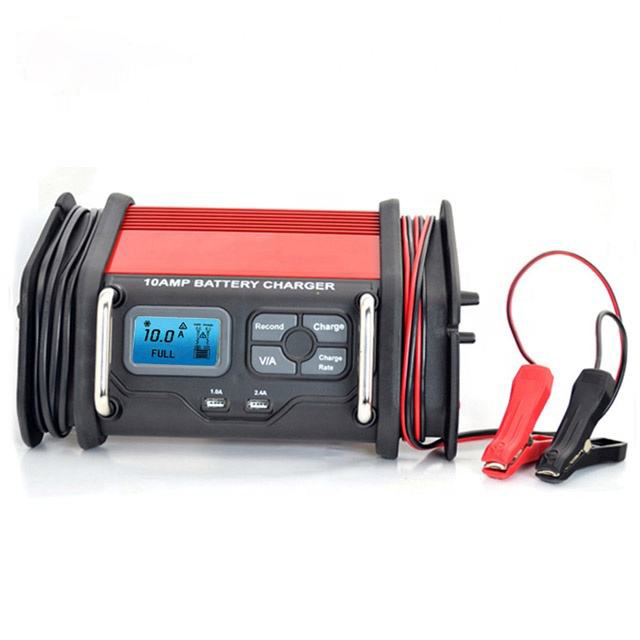
Motorcycle battery maintainers, also known as battery chargers or tenders, are devices designed to keep your battery in optimal condition, especially during periods of inactivity. These periods can include winter storage, extended vacations, or simply when you're not riding frequently. A well-maintained battery ensures your motorcycle starts reliably, avoiding the frustration of a dead battery when you're eager to hit the road.

Trickle Charging: The Heart of Battery Maintenance
At the core of how motorcycle battery maintainers work is a process called trickle charging. Trickle charging is a charging method that delivers a low and steady current to the battery. This gentle and gradual approach is in contrast to rapid charging, which can generate excessive heat and potentially damage a battery.
Trickle charging serves several essential purposes:
Preventing Discharge - Even when your motorcycle is not in use, batteries gradually lose their charge due to a phenomenon called self-discharge. Trickle charging counteracts this by maintaining a consistent charge. It ensures that the battery remains at an optimal voltage level for starting the motorcycle.
Sulfation Prevention - Another critical function of a maintainer is preventing sulfation. Sulfation occurs when sulfate crystals form on the battery plates during discharge. Over time, sulfation can reduce the battery's capacity and overall performance. By providing a constant, low-level charge, a maintainer discourages the formation of these crystals.
Desulfation Capability - Some advanced motorcycle battery maintainers offer desulfation capabilities. Desulfation is the process of breaking down and removing sulfate crystals that may have formed on the battery plates. This feature can be particularly valuable for older batteries that have already experienced some degree of sulfation.
Modern motorcycle battery maintainers are designed for user convenience and safety. They operate automatically, meaning you can plug them in, connect them to your battery, and let them do their job without constant monitoring. Here's how they do it:
Continuous Monitoring - The maintainer continuously monitors the battery's condition, including its voltage and charge level. This allows it to make real-time adjustments based on the battery's needs.
Adjustable Charging - When the maintainer detects that the battery's voltage has dropped below a certain level, it automatically activates to provide a charge. The charging rate and voltage are adjusted based on the battery's condition, ensuring it receives the right amount of energy to maintain an optimal charge.
Idle Mode - Once the battery reaches an ideal voltage level, the maintainer switches to an idle mode. In this mode, it provides a very low maintenance charge to keep the battery at its peak without overcharging.
Overcharge Protection - Automatic maintainers include overcharge protection to prevent damage to the battery. Once the battery reaches a fully charged state, the maintainer will reduce the charging rate to avoid overcharging.
Despite your best efforts, you may encounter battery-related problems from time to time. Understanding these issues and knowing how to troubleshoot them can save you from frustrating situations. Here are some common battery issues and tips for troubleshooting them:
A dead battery is a rider's worst nightmare, but it's a situation that can often be resolved. Here's what to do if your motorcycle's battery is dead:
Jump-Start Your Motorcycle: If your battery is completely dead and the motorcycle won't start, you may need to jump-start it. To do this, you'll need a set of jumper cables and another vehicle with a functioning battery.
Connect one end of the positive (red) jumper cable to the positive terminal of the dead battery.
Connect the other end of the positive jumper cable to the positive terminal of the working battery.
Connect one end of the negative (black) jumper cable to the negative terminal of the working battery.
Connect the other end of the negative jumper cable to a metal, unpainted part of the motorcycle's frame. This acts as a ground connection.
Start the engine of the vehicle with the working battery and let it run for a few minutes to charge the dead battery.
Attempt to start your motorcycle. If it starts successfully, let it run for a while to recharge the battery further.
Use a Motorcycle Battery Maintainer: After jump-starting your motorcycle, it's advisable to connect a motorcycle battery maintainer to recharge the battery fully and maintain its health.
Inspect and Replace If Necessary: If your battery continues to die frequently, it may be time to inspect it for any signs of damage or deterioration. If the battery is old or damaged, consider replacing it.
Slow Cranking and Partial Discharge
If your motorcycle struggles to start and cranks slowly, it could indicate a partially discharged battery. In this situation, you can follow these steps:
Charge the Battery: Connect your motorcycle battery to a motorcycle battery maintainer and allow it to charge. The maintainer will gradually bring the battery back to an optimal voltage level.
Inspect for Parasitic Drains: Check your motorcycle for any parasitic drains, which are electrical components that draw power from the battery even when the bike is off. Common culprits include alarms, clocks, and aftermarket accessories. If you find any parasitic drains, consider disconnecting or repairing them.
Replace If Necessary: If your battery continues to struggle despite charging and addressing parasitic drains, it may be time to replace the battery with a new one.

Extending Battery Lifespan
To extend the lifespan of your motorcycle's battery and maximize its performance, consider the following strategies:
Regular Use: As mentioned earlier, regular use of your motorcycle is one of the best ways to keep the battery in good condition. Frequent rides help maintain the battery's charge and prevent it from self-discharging.
Battery Maintenance: Use a motorcycle battery maintainer regularly, especially during periods of inactivity. This helps prevent sulfation and ensures the battery remains fully charged.
Proper Storage: If you're storing your motorcycle for an extended period, follow proper storage practices, including cleaning the bike, adding fuel stabilizer, and, if necessary, removing and maintaining the battery.
Avoid Deep Discharges: Try to avoid deep discharges, which can be detrimental to battery health. If possible, avoid running the battery to a very low state of charge.
Replace When Needed: Recognize when your battery has reached the end of its usable life and replace it with a new one. Continuing to use an old and degraded battery can lead to reliability issues.
By implementing these practices and troubleshooting steps, you can keep your motorcycle's battery in excellent condition, ensuring it's always ready for your next ride.
Motorcycle battery maintainers are essential tools for motorcycle owners who want to keep their batteries in optimal condition. By providing a low, steady charge, they prevent self-discharge and sulfation, ensuring your battery remains ready to power your bike whenever you're ready to ride. So, whether you're a weekend rider or a seasoned motorcycle enthusiast, investing in a motorcycle battery maintainer is a smart move to ensure your two-wheeled companion is always ready to roll.


